
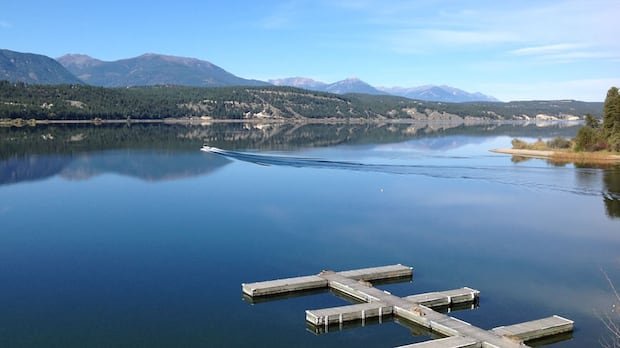
The ÊAkisqÌnuk First Nation is initiating a series of scientific and economic investigations on Lake Windermere and Columbia Lake as part of a comprehensive water stewardship plan, sparking discussions on recreational boating in the vicinity. Chief (NasuÊkin) Donald Sam emphasized the significance of stewardship to the Ktunaxa people, stating that informed decisions rely on credible data.
Allocating $200,000 towards mapping the East Kootenay lakes, the First Nation aims to evaluate shoreline conditions, sediment movement, and the economic significance of recreational activities on the lakes. While these stewardship deliberations have raised concerns among residents fearing potential limitations impacting the local economy, Sam reassured that the objective is not to hinder economic progress but to identify recreational activities conducive to the lakes’ long-term well-being.
The studies coincide with escalating scrutiny on wake-surfing boats, which utilize ballast systems to generate substantial wakes. Critics argue that these boats disturb sediment, harm shorelines, and contribute to environmental deterioration in smaller lakes like Lake Windermere and Columbia Lake, which are particularly vulnerable to wake disturbances and shoreline erosion. To promote sustainable practices, stakeholders such as Lake Windemere Ambassadors advocate for motorized boaters to adhere to speed limits and regulations.
Mayor Al Miller of the District of Invermere expressed support for a science-based approach to address the issue, emphasizing the municipality’s commitment to making informed decisions grounded in scientific evidence rather than hearsay. Recognizing the significance of balancing economic impacts with environmental considerations, Miller stressed the necessity of leveraging all available data to reach optimal decisions.
Chief Sam clarified that the stewardship planning process is in its nascent stage, with no immediate restrictions planned for this summer. The focus for this year centers on sharing and gathering information, with ample opportunities for community and public engagement in the future. Ultimately, the nation aspires for the research outcomes to inform a sustainable long-term lake stewardship strategy that harmonizes environmental conservation with economic prosperity.

